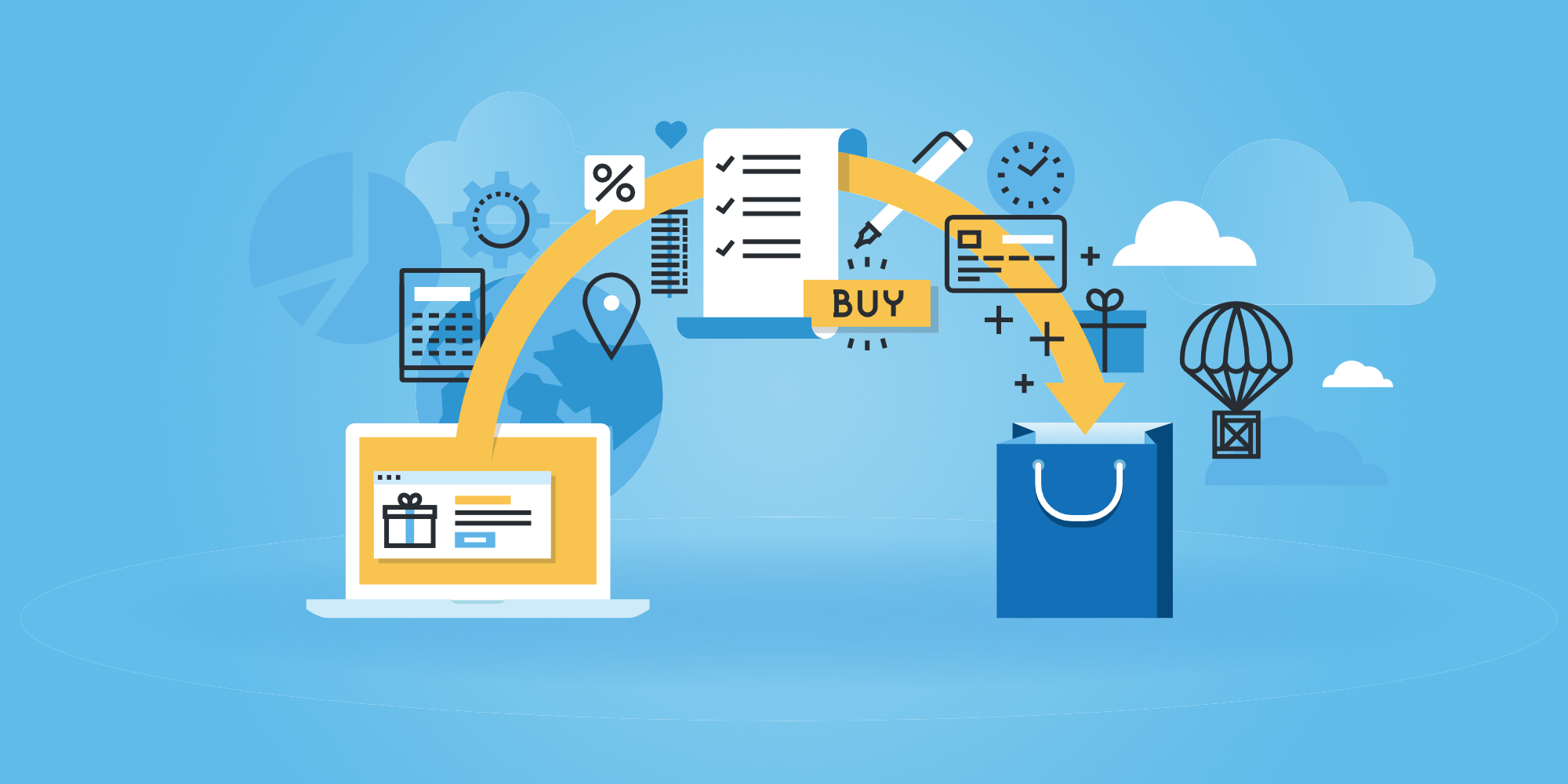
Integrated eCommerce is essential for a well functioning eCommerce platform – saves time, improves efficiency, prevents errors and reduces costs. Not just for B2C businesses, now just as important for B2B businesses to streamline daily operations and improve long term profit margins. Here are 6 key benefits of integrated eCommerce:
- Reduce human error
Integrated eCommerce dramatically reduces mistakes. With manual processes, shipping addresses can be entered wrong, incorrect inventory levels can lead to overselling and product information could be incomplete, incorrect, or even missing. This can lead to a poor customer experience and ultimately a reduction in customer retention, bad reviews and loss of profits.
- Better customer experience
Integrated eCommerce leads to a better customer experience. Customers can be kept in the loop during the entire sales process. Customers can be contacted with updates and get access to real-time data. With up-to-date product and shipping information, you reduce potential frustrations and help build long-lasting relationships with your customers.
3. Save time & money
With integrating with your accounts and other systems, your online sales and orders (amongst many other back-office processes) become automated, no need to input same data into multiple different systems manually saving you money as well as time. It also allows customers to service their own needs in a variety of ways, including tracking order statuses, viewing available inventory, tracking deliveries and much more. Not only does this further improve the customer experience, but it also saves on needing additional staff to handle transactions.
4. Improve efficiency
A huge plus for integrating your eCommerce sales channels with your ERP system is how efficient it is. Your main types of data – order, inventory, item, customer and shipping/tracking – are communicated between your once independent systems. Inventory levels will automatically update at both the back-end as the product is sold on your site and at the front-end as the product gets added to your inventory. This two-way, real-time flow of data makes life better for both your in-house teams and your customers.
5. Co-ordinated sales approach
The good news is that integration maintains that same effective and efficient nature for both the customers, sales team and back office team. Because everything in an integrated eCommerce system is synchronised and built to work in harmony with each other, managing multiple channels is simple.
6. Scale your business more easily
Makes handling long-term growth much easier. Typically, as your business grows, so does the demand placed on you and others within the company. This can be a problem when everything has to be done manually, but integration takes that stress away and provides a much smoother overall experience as your business continues on its path to success.
Upgrading to a well-designed integrated platform is the best way to move past the limitations of a one-way system and start reaping the benefits of a smoother workflow and drive more sales.
If you’re looking to grow your B2B business with a new or updated eCommerce offering find out how we can help here.
Topics
- b2b ecommerce (2)
- b2b trends (1)
- B2B v B2C (6)
- Benefits (7)
- Challenges (12)
- Covid-19 Recovery (11)
- Customer Retention (14)
- Data Migration (1)
- Distributors (2)
- Ecommerce (1)
- eCommerce Metrics (2)
- Funding (2)
- GDPR (1)
- Get Started (27)
- Growth (28)
- Integration (38)
- Manufacturers (5)
- Prepare Your Team (8)
- SaaS (11)
- Save Money (5)
- Save Time (5)
- Self-service (12)
- Track Success (4)
- Which Platform? (15)
- Wholesalers (1)